Why Customs Change Even When Their Names Stay the Same
Why customs change while names stay the same: learn to trace shifts in purpose, participants and meaning without mistaking continuity for sameness.
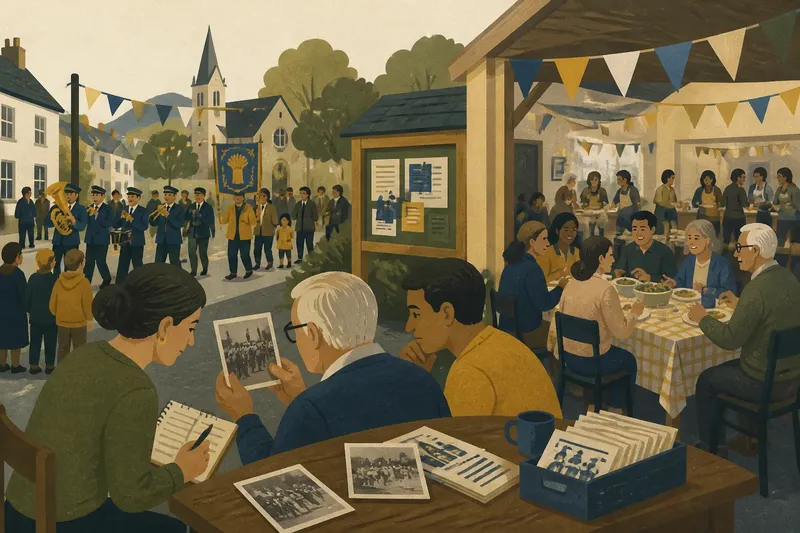
Why customs change while their names stay the same becomes clear when a familiar ritual no longer brings the same people together for the same reasons. A holiday meal, a public procession or a neighbourhood gathering can keep its established name even as its practical purpose and social meaning shift. The name offers a clue to continuity, not proof that the custom has stayed unchanged.
That distinction can be hard to see from a family story or a brief description. People may call an event “the usual tradition” while disagreeing about who belongs, what should happen or why it matters. Treat those disagreements as evidence to examine. Start by identifying the specific change, then ask what caused it and what to check before drawing a conclusion.
When the old name seems to describe a different event
A custom’s name often outlasts the circumstances that gave it its original use. A community might keep calling an annual gathering a harvest supper after farming stops being the shared work that once brought neighbours together. The meal can then serve as a reunion, a fundraiser or a celebration of local identity. Those purposes may overlap, but they are not interchangeable.
The usual cause of confusion is treating a label as a complete description. A name is easy to repeat, while the event’s arrangement can change quietly: the setting moves indoors, attendance becomes ticketed, or an organiser adds a charitable purpose. It may still be reasonable to call the gathering by its old name, but that does not tell you what participants now expect.
Try describing what happens before judging whether the custom has changed. Note who arranges it, who attends, what people do, what resources it depends on and what organisers say it is for. Then compare that description with the account you have been given. If those details differ, the name is carrying a history the present event does not fully express.
Keep the label and the description separate in your notes.
When participants remember incompatible versions
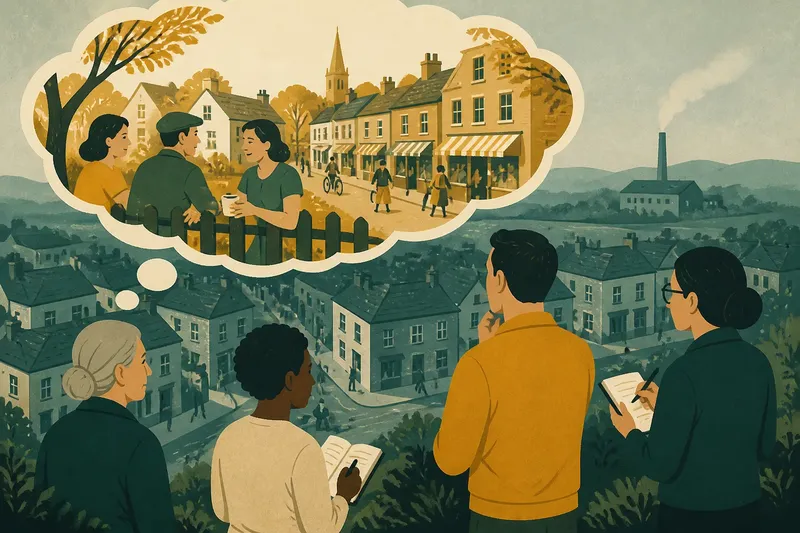
People who take part in the same custom can remember different versions without either account being invented. Someone who organised an event may recall the work of preparation; a child who attended may remember the games and food. A newcomer might describe what the custom communicates about welcome or belonging. Each account selects a different part of the event.
The trouble usually starts when one memory is treated as the definitive record. Ask each person what they did, what they understood the occasion to mean and which details they recall seeing themselves. Mark the difference between a personal memory and something they heard from another person. This is not a test of honesty. It helps show how position and participation shape what gets remembered.
Say you are comparing two relatives’ accounts of a street celebration. One remembers residents preparing a shared meal; the other recalls that later gatherings were organised around a civic parade. Record those as accounts of particular experiences rather than forcing them into one seamless story. If you can, look for a programme, invitation, local notice or photograph that helps establish what took place, while remembering that each record captures only part of the custom.
Ask what each person could have seen, not only what they remember the event being called.
When access changes who the custom includes
A custom can retain its name while its participant group narrows or expands. A gathering once arranged by neighbours may become a formal event with a venue, committee and invitation list. Conversely, a practice once limited to a household or organisation may be opened to the wider public. The outward activity may look familiar even as the boundary of belonging changes.
Common causes include a new organiser, a change of venue, the cost of taking part, altered work schedules or rules about who may attend. These changes can be practical rather than symbolic, yet they affect interpretation. An event described as communal may feel different to someone who no longer receives an invitation or cannot manage the new arrangements.
Check how access works in practice. Ask who can propose changes, who does the preparation, who is expected to contribute, and whether attendance depends on an invitation, membership or payment. Avoid assuming that a larger crowd means broader inclusion, or that a smaller gathering has lost its meaning. The relevant question is which people can take part and what participation asks of them.
If you are describing the custom to someone else, name the boundary you can verify rather than claiming that everyone is welcome.
When an old purpose survives only in the explanation
Organisers may repeat a customary action after the reason for it has faded from everyday life. A procession might still follow an established route, for example, although few participants know why that path was chosen. Others may attach a new explanation to the same action. The custom has not necessarily become meaningless; its meaning may now be carried by memory, symbolism or the act of keeping it going.
A common source of error is confusing a present-day explanation with the origin of a practice. A person can sincerely explain what a custom means to them now without knowing why earlier participants began it. Equally, an old account may describe a former purpose without explaining what the practice means to people today.
Keep those layers distinct. Record who gives an explanation and whether it refers to the custom’s beginnings, a later change or the speaker’s own interpretation. If the origin is uncertain, say so rather than filling the gap with a tidy story. A programme or written account can help establish how the event was presented at a particular time, but it cannot speak for every participant.
Use “is understood by some participants as” when meanings differ, rather than assigning a single belief to everyone.
When a tidy timeline hides several changes
People often describe customs as if they passed intact from one generation to the next. That account can obscure pauses, adaptations and disagreements. A family may revive a celebration after a period without it; a community group may combine older practices with a new public event. Calling either one an uninterrupted tradition can make a contested history sound settled.
This problem usually comes from compressing separate questions into one: did the name continue, did the activity continue, and did people understand it in the same way? Those answers can differ. A name may stay in use during a break in the event, while a revived custom may preserve some actions and change others.
Build a modest timeline from things you can identify: a period when the custom was practised, a change in its organiser or setting, any known interruption, and the version that followed. Mark gaps as gaps. Do not infer continuous practice merely because an older person uses the same name for events from different periods.
A careful timeline can show continuity and change side by side.
Which details help explain a changing custom?
How can I tell whether a custom has really changed?
Compare what participants do, who takes part and what they say the custom is for, rather than relying on its name alone. A change in any of these can matter, even if the event still looks familiar.
Does a custom stop being traditional when its purpose shifts?
Not necessarily: people may continue a practice because it connects them to a community or inherited memory, even after its former practical purpose has weakened. Describe the older and current purposes separately instead of deciding that only one version counts.
What if people disagree about what the custom means?
Keep the interpretations attached to the people who hold them and note where they differ. Agreement about a shared name or activity does not require agreement about its significance.
Which records are useful for tracing a custom?
Invitations, event programmes, local notices, photographs, meeting notes and personal accounts can each show a different aspect. Record who made a source and what it can actually establish; a photograph may show attendance and setting, but not why someone took part.
How to describe continuity without flattening change
When writing or speaking about a custom, begin with a concrete account of a particular version: who arranged it, who participated, what happened and how its purpose was described at that time. Then identify what appears to have continued and what changed. This keeps an account readable without implying that every generation shared one unaltered meaning.
Use precise language. “The event kept its name but moved from a household gathering to a public celebration” says more than “the tradition changed”. If the evidence is limited to one person’s memory, attribute the account to that person. If records show a change in organisers but not in participants’ views, do not claim to know how everyone interpreted it.
Why customs change while names stay the same is not a puzzle with one answer. A name can carry recognition across generations while new participants, arrangements and interpretations reshape the practice. The most useful next move is to ask what the name still connects: a repeated action, a community, an inherited story, or several of these at once. That question lets you describe both continuity and change without making either disappear.